


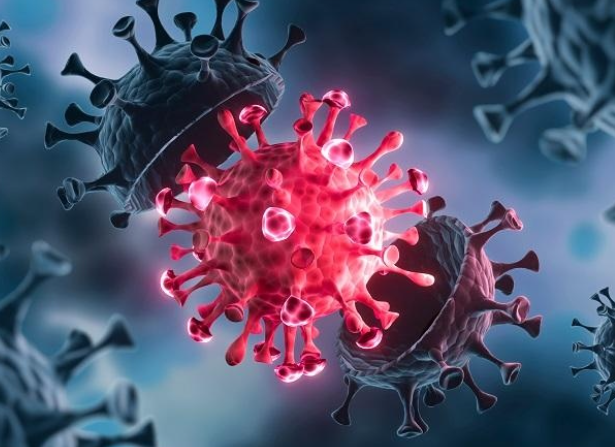
A newly identified and highly mutated strain of COVID-19, designated BA.3.2 and informally nicknamed “Cicada,” has been detected in at least 25 states across the United States, prompting heightened surveillance by public health authorities ahead of the summer season.
According to data from the Centers for Disease Control and Prevention (CDC), the variant was initially identified in a traveler entering the United States in June 2025 but remained largely undetected until early 2026.
The first confirmed case involving a U.S. resident was recorded in January 2026.
Between January and mid-February, the variant was identified in wastewater surveillance samples from 132 locations across multiple states, alongside detections in voluntary nasal swab tests from international travelers.
Health experts noted that the strain has been circulating globally since late 2025, with some Eastern European countries reporting that it accounted for up to 30 percent of infections as of February.
Medical experts, including Robert H. Hopkins Jr. of the National Foundation for Infectious Diseases, explained that the “Cicada” nickname reflects the variant’s prolonged period of low visibility before its recent emergence.
He noted that while BA.3.2 carries between 70 and 75 mutation, distinct from the previously dominant JN.1 lineage, there is currently no evidence suggesting it causes more severe illness than other circulating variants.
However, scientists warn that the variant’s extensive mutations may enhance its ability to evade immunity derived from prior infections and vaccination, raising concerns about increased transmissibility and potential case surges.

Clinical symptoms associated with the BA.3.2 variant remain broadly consistent with earlier COVID-19 strains. These include fever, cough, fatigue, headache, sore throat, nasal congestion, muscle aches, gastrointestinal symptoms, and loss or alteration of taste and smell.
Notably, some patients have reported experiencing an unusually severe sore throat, sometimes described as a “razorblade throat.”
Public health officials continue to emphasize the importance of vaccination and adherence to preventive measures. Rajendram Rajnarayanan, a researcher at the New York Institute of Technology College of Osteopathic Medicine, underscored the need for individuals to stay up to date with COVID-19 vaccines and booster doses, which remain effective against a range of circulating variants.
The CDC also advises individuals who test positive or exhibit symptoms to isolate, improve indoor ventilation, wear high-quality masks such as N95 respirators when around others, maintain hygiene practices, and seek medical guidance where necessary.
As monitoring continues, health authorities are closely tracking the spread and characteristics of the BA.3.2 variant to determine its potential impact on public health in the months ahead.