

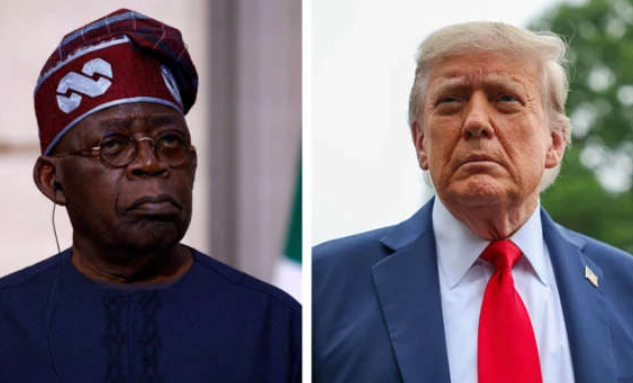
The escalating conflict between the United States, Israel, and Iran is rapidly reshaping the global economic landscape, with energy markets experiencing severe disruptions. As hostilities intensify across the Middle East and critical infrastructure becomes a target, the ripple effects are being felt worldwide. For oil-producing nations like Nigeria, the crisis presents both potential opportunity and serious risk. However, Nigeria will suffer more than it benefits due to weak economic management and policy inconsistency under President Bola Ahmed Tinubu.
The most immediate global consequence of the war is the disruption of oil supplies following the closure of the Strait of Hormuz, one of the world’s most strategic energy corridors. Nearly a fifth of global oil shipments normally pass through the narrow waterway linking the Persian Gulf to international markets. With military tensions and missile exchanges threatening shipping lanes, crude prices have surged dramatically, triggering the most severe energy shock since the 1970s oil crisis.
While higher oil prices traditionally increase government revenue for oil-exporting countries, Nigeria continues to struggle for survival with no functional refineries despite collosal budgets to resuscitate the assets. Years of declining oil production, pipeline vandalism, crude theft, and massive corruption in the sector have significantly reduced the country’s output. As a result, Nigerians cannot breathe the air of freedom in the windfall that accompany rising global crude prices.
Dangote’s refinery is not the answer as Nigeria’s current vulnerability is also tied to domestic policy decisions. Since assuming office, Tinubu’s administration has implemented sweeping reforms, including fuel subsidy removal. While these policies were intended to stabilize the economy, the timing has left Nigerians exposed to global shocks. As international fuel prices surge due to the Middle East conflict, the absence of subsidies means the full impact is being transferred directly to citizens through higher transportation and energy costs.
Inflation which was already climbing due to currency depreciation and rising import costs, is expected to worsen as global oil and shipping prices increase. Nigeria relies heavily on imported refined petroleum products despite being one of Africa’s largest crude producers. Any disruption in global supply chains therefore translates into immediate price spikes at home and deepen economic hardship for households and businesses.
Another major concern is Nigeria’s weakening currency. Global crises often drive investors toward safer assets in stronger economies. With uncertainty spreading across international markets due to the war, capital flight from emerging economies could intensify. This would place further pressure on the naira, increasing the cost of imports and exacerbating inflation.
Ironically, the current geopolitical turmoil could have been an opportunity for Nigeria to strengthen its fiscal position. If production levels were stable and refining capacity improved, the country could benefit significantly from higher oil prices. Instead, structural inefficiencies and policy uncertainty continue to limit Nigeria’s ability to convert global crises into economic advantage.
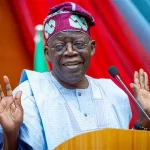
Nigeria leadership failures have compounded the problem. The slow progress in reviving domestic refineries, weak enforcement against oil theft, and a lack of clear economic direction remain at its peak. Without urgent reforms to boost production and stabilize the economy, Nigeria risks remaining vulnerable to external shocks such as the ongoing Middle East conflict.
The global economic outlook is also darkening. Rising energy costs are expected to push inflation higher worldwide, forcing central banks to maintain tight monetary policies. For developing countries already burdened by debt and economic instability, this could trigger deeper financial stress. Nigeria, with its growing debt obligations and fragile revenue base may face difficult fiscal choices in the months ahead.
Furthermore, geopolitical tensions could disrupt global trade routes and investment flows, particularly if the conflict expands further across the Gulf region. Such instability would likely reduce foreign investment in emerging markets, including Nigeria, at a time when the country urgently needs capital for infrastructure and economic development.
As the war drags on and the global economy absorbs the shockwaves, Nigeria’s situation highlights a broader lesson: natural resources alone do not guarantee economic security. Effective leadership, strong institutions, and strategic economic planning are essential for turning global crises into opportunities.
For now, many Nigerians fear that without decisive leadership and a clearer economic strategy, the country may bear the worst consequences of a war taking place thousands of miles away. The unfolding Middle East conflict may therefore become not only a geopolitical crisis, but also a total test of Nigeria’s economic resilience under the current administration.