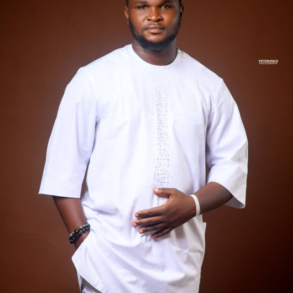

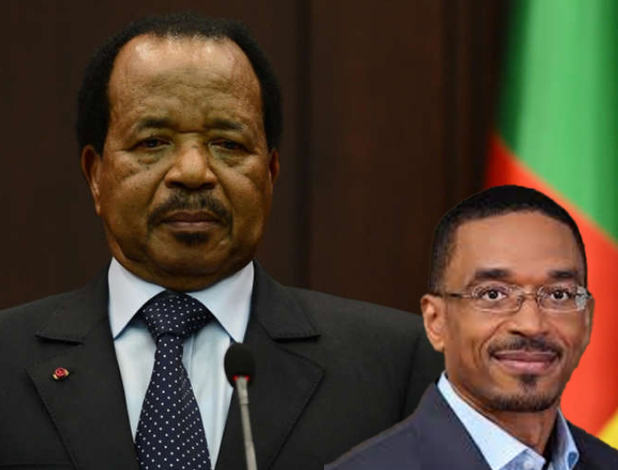
In a significant and controversial political development, Cameroon President Paul Biya has appointed his son, Franck Emmanuel Biya, as Vice President of the country and Head of the Armed Forces, consolidating executive and military authority within the presidency.
The appointments, formalized through a presidential decree dated April 4, 2026, also designate Franck Biya as Minister Delegate at the Ministry of Defence, placing him at the center of the country’s security and governance architecture. The government stated that the move aligns with constitutional provisions and was necessitated by “service requirements.”
This decision comes at a time of heightened political tension following a disputed presidential election that secured Biya who has ruled since 1982, an eighth term in office.
The election outcome, which saw Biya declared winner with 54 percent of the vote, has been rejected by opposition candidate Issa Tchiroma Bakary, who alleges electoral malpractice.
The elevation of Franck Biya marks an unprecedented concentration of political and military power within a single family, raising concerns among analysts and opposition figures about democratic governance, institutional independence, and succession planning.
Critics argue that the move signals a potential dynastic transition, while supporters within government circles maintain it is a strategic effort to ensure stability amid ongoing unrest.
Despite legal challenges, the Constitutional Council upheld the election results, dismissing petitions on procedural grounds. Meanwhile, protests and calls for reform persist across parts of the country, with international observers urging restraint and dialogue.
As Cameroon navigates this sensitive period, the implications of this appointment, both for internal stability and regional political norms are expected to remain a focal point of debate in the months ahead.