


The United Kingdom has initiated a coordinated diplomatic push involving 35 countries to address the ongoing closure of the Strait of Hormuz, as tensions linked to the Iran conflict continue to disrupt global energy supply chains.
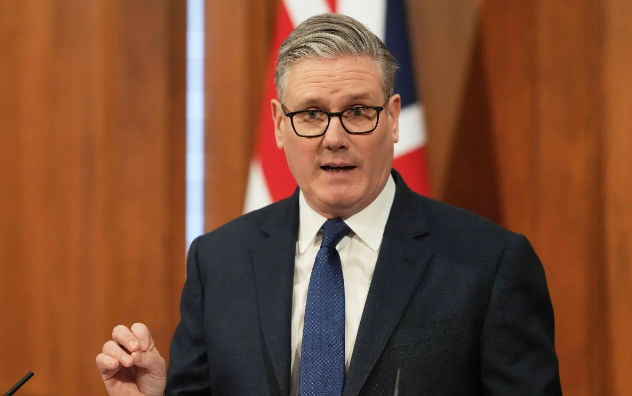
Prime Minister Keir Starmer announced that the meeting, scheduled to be held virtually, will be convened by Foreign Secretary Yvette Cooper. The talks are expected to focus on restoring safe navigation through the critical maritime corridor once hostilities subside.
According to Starmer, the discussions will evaluate diplomatic and political options aimed at ensuring freedom of navigation, safeguarding vessels and seafarers stranded in the region, and facilitating the resumption of shipments of essential commodities.
The Strait of Hormuz remains a vital artery for global energy flows, accounting for approximately one-fifth of the world’s oil and liquefied natural gas shipments.
However, the route has effectively been shut down amid escalating hostilities involving the United States, Israel, and Iran, triggering significant volatility in global energy markets.
The disruption has already driven up international oil and gas prices, prompting several nations to consider releasing strategic reserves to cushion the impact on supply and stabilize markets.
Countries expected to participate in the talks include France, Germany, Italy, Japan, and Netherlands, among others that have expressed support for ensuring the reopening of the waterway.
Starmer acknowledged the complexity of the task, cautioning that reopening the strait would be challenging given the prevailing security environment. He added that military planners would subsequently be engaged to explore coordinated efforts to secure the passage once active conflict ceases.
Meanwhile, former U.S. President Donald Trump has criticized European allies, including the United Kingdom, for what he described as insufficient action in addressing the crisis. Trump urged affected countries to take more decisive measures to secure access to the waterway and reduce reliance on U.S. support.
The outcome of the planned multilateral engagement is expected to shape the next phase of international response to the crisis, with significant implications for global trade, energy security, and geopolitical stability.