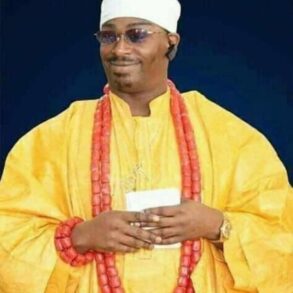

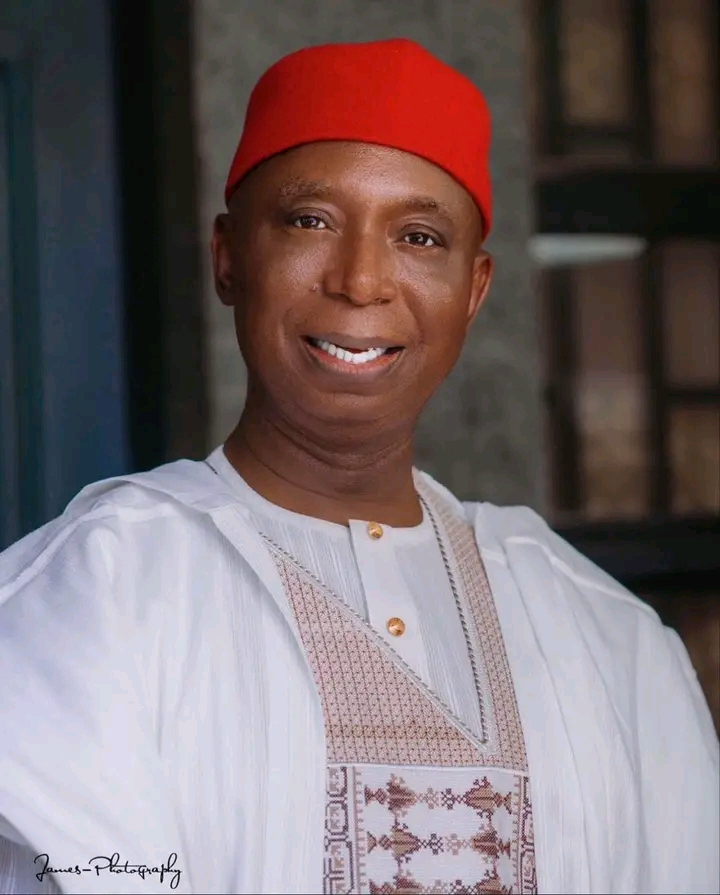
As the 2027 general elections draw closer, voters across Delta North Senatorial District are increasingly interrogating records, not rhetoric. Senator Ned Munir Nwoko’s achievements, as officially presented, reflect activity but activity alone does not equate to effective representation, nor does it guarantee electoral support.
A critical examination of his scorecard reveals fundamental weaknesses that may significantly undermine his re-election prospects.
First, the majority of the projects cited are routine constituency interventions rather than transformative legislative achievements. Unsustainable Solar streetlights, boreholes, medical outreaches, and short-term empowerment programmes are now baseline expectations for any senator in Nigeria. They are funded largely through constituency project allocations and intervention agencies, not through exceptional legislative influence or political capital. Voters increasingly recognize that such projects are not favors, but entitlements.
Second, many of the projects lack scale, durability, and economic impact. Solar lights and boreholes, while useful, do not address the core economic crisis facing Delta North, youth unemployment, industrial stagnation, and the absence of sustainable job creation. Medical outreaches and empowerment trainings are episodic, offering temporary relief rather than long-term solutions. They do not build institutions, industries, or enduring economic systems that can absorb thousands of unemployed youths.
Third, the record shows a concerning absence of landmark federal projects. There is no evidence of major federal institutions, industrial hubs, universities, research centers, or large-scale manufacturing facilities attracted to Delta North during the senator’s tenure. In an era where constituents demand visible federal presence, this gap is glaring. Representation at the National Assembly is expected to translate into federal footprint; something largely missing from the current record.
Fourth, some achievements are administrative or preliminary rather than substantive. Projects such as pre-feasibility studies for dams, while necessary, do not amount to real development. Studies do not irrigate farms, create jobs, or generate electricity. Voters are unlikely to reward paperwork over concrete outcomes, especially after years in office.
Fifth, infrastructure claims such as the rehabilitation of sections of the Benin–Asaba Expressway are weak electoral selling points. Federal road rehabilitation is a statutory government responsibility, not a unique legislative accomplishment unless clearly driven, initiated, and sustained by the senator’s intervention. Without clear attribution, such claims fail to persuade an increasingly informed electorate.
Sixth, the achievements reflect poor alignment with pressing voter priorities. Security remains fragile, unemployment remains high, and economic migration among youths is accelerating. Training programmes without access to capital, markets, or industrial ecosystems have limited credibility. Voters want jobs, not workshops; industries, not empowerment slogans. Distributing phones among youths to facilitate social media participation in defense of incompetence is neither an achievement.

There is a perception problem: the record suggests visibility without depth. While projects are spread across several local governments, their impact is thinly distributed and politically insufficient to create a strong emotional or economic bond with the electorate. Elections are won when voters feel materially better off, not when they merely acknowledge the presence of scattered interventions.
In modern Nigerian politics, especially in competitive districts like Delta North, incumbency alone no longer guarantees loyalty. Voters are demanding measurable outcomes, strong advocacy, and transformative leadership. Against these expectations, Senator Ned Nwoko’s achievements appear modest, conventional, and largely interchangeable with those of any average senator.
As 2027 approaches, gratitude for basic interventions may not outweigh frustration over missed opportunities. Unless voters see a compelling reason to believe that another term would deliver significantly more than the current one, the existing record by itself offers little motivation for renewed electoral trust.
In politics, appreciation is optional. Performance is not.