
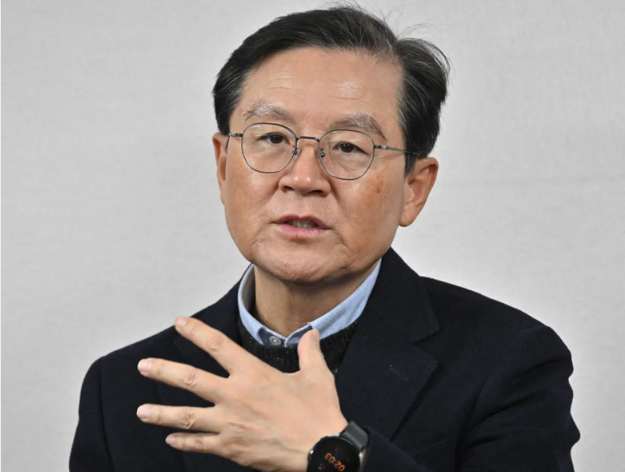
South Korea’s impeached former president, Yoon Suk Yeol, has been sentenced to five years in prison after a court found him guilty of abuse of power, obstruction of justice, and falsifying official documents connected to his failed attempt to impose martial law in 2024.
The verdict, delivered on Friday, is the first ruling among four separate trials arising from Yoon’s short-lived martial law declaration. Although lawmakers swiftly overturned the decree, the move plunged the country into political turmoil, triggering mass protests and an emergency session of parliament as legislators raced to block it.
While delivering judgment, the presiding judge said Yoon’s actions had “plunged the country into political crisis,” adding that the former president showed “no remorse” throughout the proceedings.
The court found that Yoon unlawfully deployed members of the presidential security detail to prevent his arrest, failed to consult the full cabinet before declaring martial law, and drafted, then destroyed a falsified document claiming the move had been approved by the prime minister and defence minister.
Prosecutors had sought a 10-year prison sentence for the offences ruled on Friday. Both the defence and prosecution have seven days to file an appeal.
During sentencing, about 100 of Yoon’s supporters gathered outside the courthouse, watching the livestreamed proceedings on a large screen. Some waved red banners and chanted slogans in his support, while others stood silently as the guilty verdict was read.
Despite widespread condemnation of his actions, Yoon retains a loyal base that views him as a political martyr. According to reports, a survey conducted last December found that nearly 30 per cent of South Koreans did not believe his martial law declaration amounted to insurrection.
Friday’s ruling is widely seen as a bellwether for Yoon’s remaining cases. He faces additional charges, including campaign law violations, with the most serious being insurrection; an offence for which prosecutors are seeking the death penalty. A verdict in that case is expected in February.
Yoon has consistently denied all charges, arguing that the arrest warrant issued against him was invalid and that the constitution does not require a president to consult every cabinet member before exercising emergency powers.
Prosecutors counter that his refusal to accept responsibility warrants a harsher punishment.
Yoon is not the first former South Korean leader to face imprisonment. In 2021, ex-president Park Geun-hye was sentenced to 20 years for abuse of power and bribery, though she was later pardoned.
Six months after Yoon’s failed bid, South Korean voters handed a decisive election victory to opposition leader Lee Jae Myung. Nevertheless, Yoon’s ongoing trials continue to expose deep political divisions, underscoring how the fallout from his presidency still shapes South Korea’s political landscape.