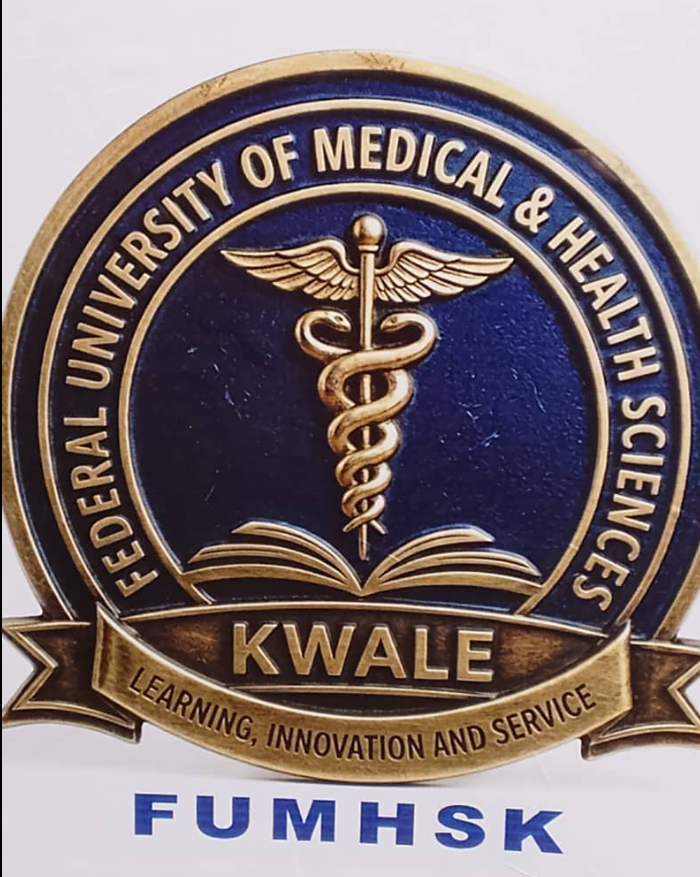
The story of Federal University of Medical and Health Sciences, Kwale, should have been one of collective pride for the Ndokwa nation. It should have been a shining example of what a people can achieve when political leaders, traditional institutions, professionals, and stakeholders unite behind a common developmental vision. Unfortunately, the reality tells a different story.
Since its establishment, the university has struggled to receive the level of support and advocacy expected from political leaders who constantly proclaim their commitment to the development of Ndokwa land. While institutions of higher learning elsewhere enjoy robust backing from their sons and daughters in government and positions of influence, the University of Medical and Health Sciences has often appeared abandoned by many of those who should be its strongest champions.
Particularly troubling is the experience of the institution’s leadership. The Vice Chancellor, Prof. Abel Onunu, has had to navigate enormous challenges with limited economic and political support from influential Ndokwa stakeholders. Rather than rallying around the university and helping it secure funding opportunities, infrastructure partnerships, research collaborations, and federal recognition, many politicians have remained preoccupied with electoral calculations, political rivalries, and personal ambitions.
A university is not merely a collection of classrooms and buildings. It is an engine of economic growth, innovation, employment generation, and human capital development. Every thriving university attracts investments, creates businesses, stimulates housing development, and raises the profile of its host community. The University of Medical and Health Sciences possesses the potential to transform Kwale and the entire Ndokwa nation into a major hub for medical education, healthcare research, and professional training.
Yet, instead of building consensus around this strategic asset, political leaders have too often treated the institution as an afterthought. This reflects a dangerous tendency among many politicians to prioritize short-term political gains over long-term developmental objectives.
The irony is difficult to ignore. During election seasons, politicians traverse communities making promises about youth empowerment, economic development, and job creation. However, few investments can empower young people more effectively than a functional, well-funded university dedicated to training future doctors, nurses, pharmacists, and healthcare professionals. Supporting such an institution should be a non-partisan obligation.
The neglect becomes even more concerning when one considers the broader implications. In a region seeking greater economic relevance and opportunities for its growing population, undermining or ignoring a medical university amounts to undermining the future of the people themselves. Every missed opportunity for funding, partnership, or expansion delays the institution’s growth and limits its ability to fulfill its mandate.
Ndokwa politicians must therefore engage in serious self-reflection. History will not remember who won a local political battle or who secured a temporary advantage over a rival. History will remember who built enduring institutions and who failed to support them when it mattered most.
The University of Medical and Health Sciences deserves more than ceremonial visits and public relations statements. It deserves strategic advocacy, financial support, legislative backing, and sustained engagement from every elected and appointed Ndokwa leader, regardless of political affiliation.
The time has come for Ndokwa politicians to rise above partisan interests and embrace a larger vision for their people. Development should not be sacrificed on the altar of politics. The future of medical education in Ndokwa land is too important to be left at the mercy of political calculations. If the university succeeds, Ndokwa succeeds. If it is neglected, future generations will ask why those entrusted with leadership chose politics over progress.