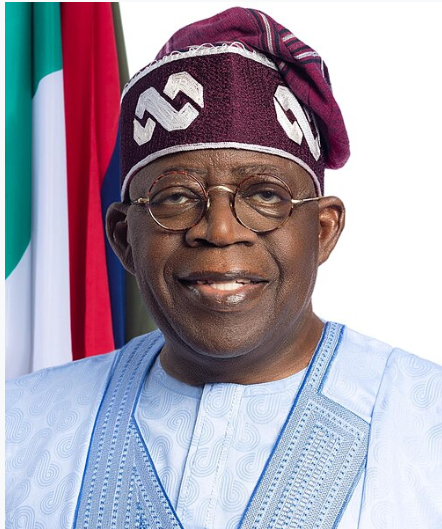
The present administration came into office with a promise of renewed hope and transformative leadership. Three years later, many Nigerians can easily identify three prominent changes introduced by the government led by President Ahmed Bola Tinubu: The removal of fuel subsidy, the reintroduction of the old national anthem, and the proposed change of the National Youth Service Corps (NYSC) uniform.
These actions have generated widespread public attention, but an important question remains: Have these changes translated into meaningful improvements in the lives of ordinary Nigerians? The removal of fuel subsidy was presented as a difficult decision that supposed to bring necessary economic reform.
Nigerians were assured that the savings would be invested in critical infrastructure and that domestic refineries, particularly the government-owned refineries, would be revived to reduce dependence on imported petroleum products. The expectation was that, over time, locally refined fuel would stabilise prices and lessen the burden on citizens.
However, years after the subsidy removal, many Nigerians believe the anticipated benefits have not materialised. Fuel prices remain significantly higher than before, transportation costs have increased sharply, food prices have soared, and inflation has continued to erode purchasing power. For many households and businesses, the rising cost of living has become the defining reality of the reform.
While there have been reports of rehabilitation efforts at government-owned refineries, many citizens question whether these facilities are operating at levels sufficient to deliver the promised impact. The gap between the expectations created during the subsidy removal and the economic conditions experienced by many Nigerians continues to fuel public dissatisfaction.
The decision to restore the old national anthem also sparked national debate. While supporters viewed it as a return to the country’s heritage and values, it can be adjudged that changing an anthem does not address pressing national challenges such as insecurity, unemployment, poverty, inflation, inadequate healthcare, and poor educational outcomes. Many Nigerians believe that patriotic symbols are important, but they cannot substitute for policies that improve living standards.
The proposed change of the NYSC uniform has similarly attracted criticism. To many, it appears to be another administrative adjustment at a time when corps members are more concerned about welfare, timely payment of allowances, security, accommodation, and employment opportunities after service. A new uniform, by itself, does little to address these longstanding concerns.
Change is an essential part of governance, but meaningful change should be measured by improvements in the quality of life of citizens. Nigerians expect reforms that reduce poverty, create jobs, improve security, strengthen healthcare, provide reliable electricity, support businesses, and make education more accessible.
Government policies should ultimately be evaluated by their outcomes rather than by the number of changes announced. The true test of leadership is not how many national symbols are altered or uniforms redesigned, but whether citizens experience greater prosperity, safety, and hope for the future.
As Nigeria continues its journey of nation-building, many citizens are asking a simple question: Beyond these visible changes, where is the lasting change in their daily lives? Until economic reforms produce tangible improvements for the average Nigerian, that question is likely to remain at the centre of public discourse.