

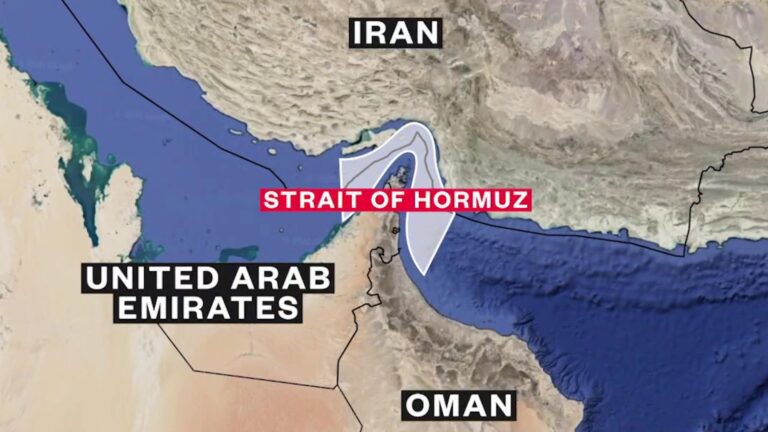
Iran is awaiting an official response from the United States to a proposal aimed at reopening the Strait of Hormuz and halting hostilities across the Middle East, as uncertainty persists over Washington’s position on the initiative.
Iran presented the proposal during the United Nations General Assembly in New York and reportedly transmitted it to the United States through Qatari mediators.
Under the proposal, the strategic waterway could be reopened within seven days, alongside a halt to fighting across the region.
Iranian Foreign Minister Abbas Araqchi said the arrangement could pave the way for broader negotiations on mutually agreed issues, potentially including Tehran’s nuclear programme.
“If there is seriousness on the US side to come to a deal and reopen the Strait of Hormuz, everything is now prepared,” Araqchi told reporters at the United Nations on Friday.
However, a report citing unnamed US officials said President Donald Trump remained doubtful that Tehran would meet his demands and had told aides that he considered renewed bombing likely after the November US midterm elections.
An earlier US official had described mediated discussions with Iran as “positive and constructive.”
Araqchi said Iran’s proposal would halt hostilities on all fronts, including Lebanon, while the United States would lift its blockade on Iranian ports, release frozen Iranian funds and waive oil sanctions.
Iranian President Masoud Pezeshkian said Tehran was prepared to negotiate over its nuclear programme and other issues but would reject what he described as “bullying or coercion.”

The conflict, which began on February 28 following US and Israeli attacks, has disrupted regional security and oil flows through the strategically important Strait of Hormuz.
Iran has also held discussions with Saudi Arabia over arrangements for safe shipping through the waterway, while tensions have continued across Yemen, Lebanon, Iraq and the Gulf.
Saudi Arabia, Pakistan and Turkey have meanwhile intensified security coordination amid the wider regional crisis.
Saudi authorities also reported intercepting ballistic missiles and drones launched towards the kingdom early Saturday.
The continuing conflict has raised concerns over global energy supplies, maritime security and the humanitarian situation, particularly in Yemen, where the United Nations has reported worsening acute malnutrition among children.