

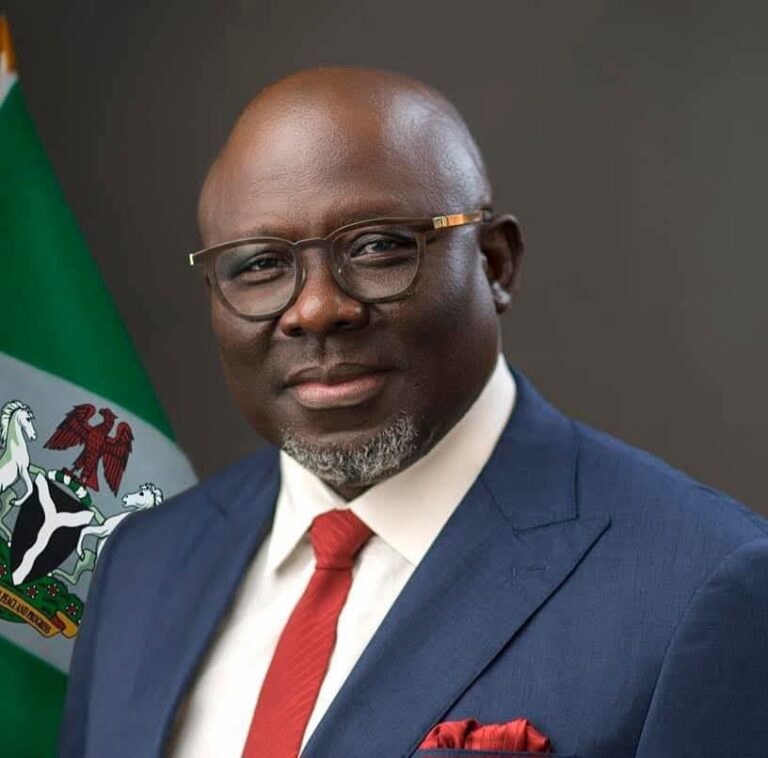
As political activities gradually gather momentum ahead of the 2027 general elections, a civil society activist, Comrade Victor Ojei, popularly known as Wong Box Nigeria, has called on Delta State Governor, Sheriff Oborevwori, to provide answers to key questions concerning governance, development and public welfare in the state.
Ojei, who is the Lead Activist of the Young Nigerian Rights Organization (YNRO), outlined 33 questions which he said should form part of a citizens’ accountability assessment of the governor’s MORE Agenda before the next election cycle.
In a statement titled, “Questions Deltans Should Ask Their Leaders Before 2027: A Citizens’ Accountability Checklist for the MORE Agenda,” the activist stressed that democracy thrives on accountability rather than blind political loyalty.
According to him, Deltans must demand measurable evidence of government performance in critical sectors including employment, healthcare, education, infrastructure, security, transportation and youth development.
Among the issues raised were questions regarding the impact of the MORE Agenda on the quality of life of residents, the number of permanent jobs created through government policies, industrial investments attracted to the state, and progress made in reducing youth unemployment.
The activist also expressed concerns over electricity challenges in several rural and riverine communities, particularly in Isoko and Ndokwa areas, questioning what steps the administration has taken to reconnect communities that have reportedly remained without electricity for over a decade.
On healthcare, Ojei sought explanations on the state of public hospitals, availability of equipment and personnel, and efforts to improve access to medical services in underserved communities.
He further questioned the administration’s achievements in the education sector, asking for tangible improvements beyond budgetary allocations and official announcements.
Addressing security concerns, the activist called for greater transparency on government spending on security initiatives and sought data on crime reduction since 2023.
He also urged the state government to consider adopting modern technological solutions, including artificial intelligence-powered surveillance systems, drones and smart emergency response technologies to improve public safety.
In the area of transportation, Ojei requested evidence of how road and transport projects have translated into economic opportunities for citizens, reduced transportation costs and improved access to markets for farmers and traders.
He also raised concerns about youth employment and entrepreneurship, asking the government to disclose the number of beneficiaries of empowerment programmes who have secured sustainable employment, as well as the level of support provided to startups and technology-driven businesses.
“The true measure of governance is not the number of speeches delivered, projects commissioned, or political advertisements produced. The true measure of governance is the impact citizens feel in their daily lives,” Ojei stated.
He maintained that elected officials and political office seekers must provide evidence-based answers to questions about their stewardship, adding that an informed and engaged citizenry is essential for the future development of Delta State.

